


I spent time with Radio Fm Without Internet as a simple music and audio app, and my first impression was clear: it is aimed at people who want a quick way to reach radio stations without turning the experience into a complicated media platform. The app is free, carries an Everyone age rating, and comes from San Valmout. That combination makes it easy to try, especially if you are looking for a lightweight radio companion rather than a full music library.
The name sets an expectation that deserves careful attention. In everyday use, I would treat it as a radio-focused tool whose main appeal is easy listening, not as a replacement for downloaded songs or a guaranteed offline music player. The difference matters. A person searching for live stations and a person searching for music that works with no connection are not necessarily looking for the same thing. I found the app more convincing when judged as a straightforward radio directory than when judged against dedicated offline audio players.
What the app is really useful for
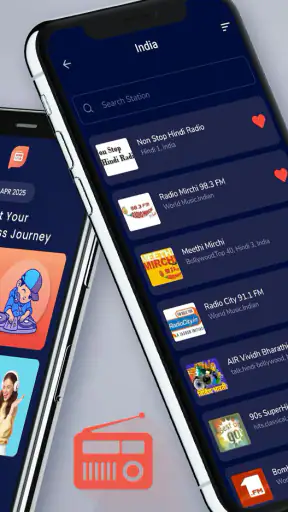
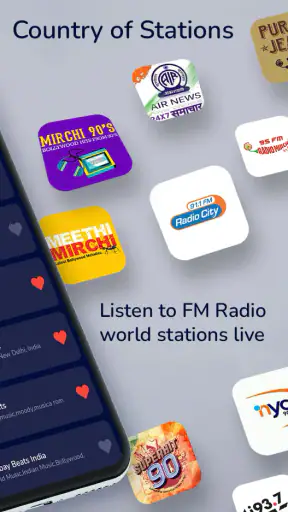
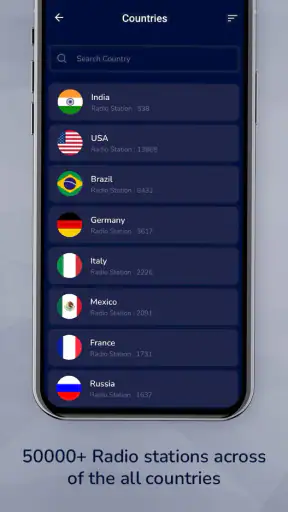
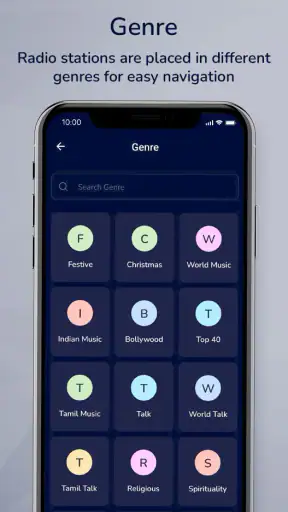
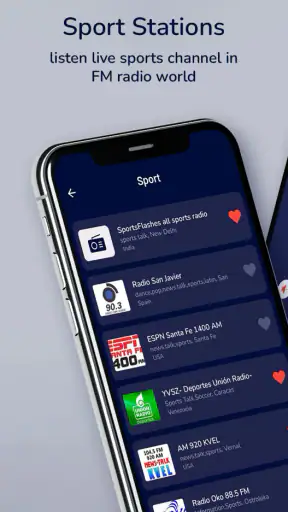
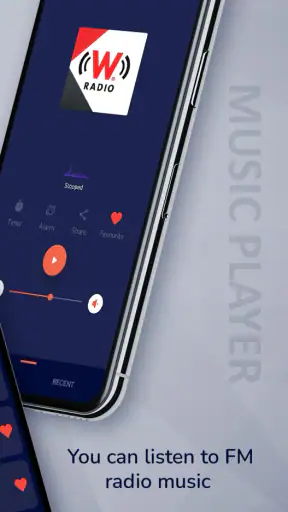
The core idea is uncomplicated: open the app, look for a station, and start listening online. That makes it suitable for casual listening during breakfast, while doing housework, or when I want background audio without building a playlist first. Radio can also be a pleasant alternative to repeatedly choosing individual tracks, because the station itself supplies the flow and changes the mood over time.
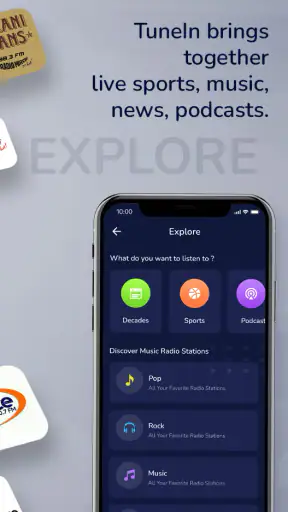
Its Music & Audio category is a good fit. This is not presented as a recording studio, podcast editor, audiobook shelf, or local file manager. The experience is centered on radio listening. That narrow purpose is a strength for anyone who prefers a direct route to live programming, but it also means the app should not be chosen by someone expecting the deep organization, recommendations, downloads, or artist controls found in larger music services.
One realistic use case is a morning routine. I can imagine opening it while making coffee, selecting a familiar station, and leaving the phone aside instead of spending several minutes deciding what to hear. Another is a short work session where a live station provides sound without demanding constant interaction. For these situations, the value comes from reducing decisions rather than offering a huge collection of personal controls.
Cost and what free access means
There is no purchase price to use the app, so the initial decision is easy: install it and see whether its station selection and listening experience suit you. I appreciate that free access lowers the risk for occasional listeners. Someone who only wants radio now and then does not have to commit money before discovering whether the app fits their habits.
At the same time, “free” should be understood as access without a listed charge, not as a promise that every listening situation will be perfect or that the app will replace every paid service. The practical value depends on whether the stations you want are available and whether the online listening experience works reliably on your device and connection. I would make that check before treating it as my only audio app.
The app has passed one million installs and holds an average rating of 4.0 from around 5.5 thousand ratings. Those figures suggest that it has reached a substantial audience and that many users find it useful, while the rating also leaves room for mixed experiences. I read that combination as a reason to try it personally rather than assuming it will suit everyone.
Getting started without unnecessary effort
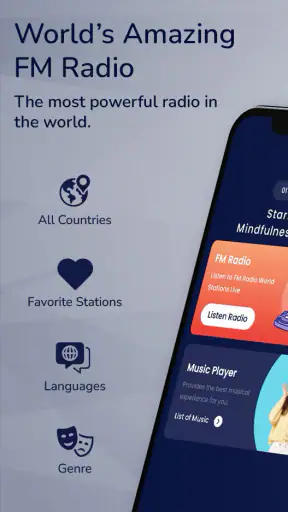
The first thing I value in a radio app is a short path between launching it and hearing audio. Radio Fm Without Internet is built around that expectation. Its store summary emphasizes online access to favorite stations, and the short description simply identifies it as Radio Fm. The restrained presentation tells me that the app is intended to be understood quickly rather than sold as an all-purpose entertainment hub.
For a smoother routine, I would decide in advance which stations I actually use instead of browsing endlessly every time. If the app lets you return to familiar choices easily, that can turn it into a dependable one-tap habit. If you are testing it for the first time, try it at the exact times and places where you plan to listen: at home, on a commute, or during work. A radio app can seem excellent in one setting and inconvenient in another because connection quality changes.
Another useful habit is to keep expectations modest about the phrase “without internet.” I would not use the name alone as proof that live station listening works entirely offline. Live radio normally depends on a source reaching the device, while the store summary specifically describes listening online. For me, the safest interpretation is to verify the actual behavior on the device before relying on it during travel or in areas with weak coverage.
Where it fits beside familiar alternatives
Compared with a major music subscription service, this app is more focused on radio and less suited to choosing a particular album or song on demand. That can be an advantage when I want live programming and do not want to curate anything. A subscription service is usually the better choice for personal playlists, saved albums, artist discovery, and controlled playback.
Compared with listening through a station’s own website, a dedicated radio app may feel more convenient because it gathers the listening task in one place. The trade-off is that a station website may offer its own program notes, schedules, or station-specific information. If those details matter to you, the broadcaster’s official channel could remain preferable.
Compared with a local music player, the difference is even more important. A local player is designed for files already stored on the phone and is the safer choice when you need predictable offline playback. Radio Fm Without Internet should be selected for the radio experience itself, not simply because its name sounds like an offline promise. That distinction is the most important buying, or rather installing, decision here.
Small listening decisions that improve the experience
I would use the app selectively rather than making it responsible for every kind of audio. For live background listening, it can be a sensible first option. For a flight, a remote trip, or a place where connectivity is uncertain, I would prepare a separate offline solution. This two-app approach is more practical than expecting one free radio tool to cover live stations and stored music equally well.
I would also test several stations before deciding whether the app belongs on my home screen. A radio app’s usefulness is personal: one listener may find exactly the right style immediately, while another may find the available selection too narrow. Give it a short trial during your normal listening hours, because a station that sounds good in the afternoon may not match the atmosphere you want in the evening.
Finally, I would avoid judging the app only by how many stations appear at first glance. The better question is whether the stations you return to are easy to reach and whether listening feels simple enough to repeat. For radio, a smaller set of useful choices can be more valuable than a large directory that makes every session feel like searching.
Trade-offs, audience fit, and my verdict
The limitations I would keep in mind
The biggest limitation is the tension between the app’s name and the online nature of radio listening. Anyone who needs dependable audio with no connection should investigate the actual offline behavior before depending on it. I would not assume that a live station continues playing when the phone loses service. That is not a minor technical detail; it changes whether the app works for commuting, travel, and emergency backup listening.
The second limitation is focus. A radio-centered app may feel too basic for listeners who want precise control over music, personal libraries, lyrics, downloads, or carefully arranged playlists. I do not see that as a flaw in itself, but it does make the app less suitable for people who want a complete music ecosystem. The right comparison is not “Does it do everything?” but “Does it make radio listening easier for me?”
There is also a personal tolerance issue. Some listeners enjoy the unpredictability of live radio, while others dislike waiting for a favorite song or hearing programming they did not choose. If you need absolute control over every track, a conventional on-demand service will probably feel better. If you like pressing play and letting a station shape the session, this app’s simpler approach may be exactly what you want.
Who is most likely to get good value
I would recommend trying it to casual listeners who want free access to radio and do not need a large set of advanced music tools. It is particularly appealing if your listening pattern is built around a few favorite stations rather than a personal collection of individual tracks. The lack of an upfront cost makes experimentation reasonable, and the Everyone rating makes it broadly approachable for general household use.
It may also suit someone who wants a separate app for background audio. I often prefer not to use my main music service for every situation, especially when I want live programming instead of repeating familiar playlists. In that role, a focused radio app can reduce clutter and make the choice feel more immediate.
I would be more cautious about recommending it to travelers, people with unreliable connectivity, and listeners who interpret “without internet” as a firm guarantee of offline playback. Those users should test the app under realistic conditions first. I would also point heavy music collectors toward a service or player designed around downloaded content and library management.
What the current release tells me
The app was released on April 21, 2022, and the current version is 6.2. It supports devices running Android 7.0 or later. That gives Android users on older supported phones a reasonable chance of compatibility, although I would still check the device itself before planning regular use. The version information also makes it useful to confirm that the app installs and behaves properly on your particular phone rather than assuming every device will feel identical.
San Valmout has kept the product’s identity clear: this is a radio and audio app, not a crowded collection of unrelated tools. I prefer that clarity because it helps set the right expectations. The app earns its place when it gets me to a station with little fuss. It loses appeal when I ask it to behave like an offline library, a premium streaming service, or a full broadcast information center.
My final recommendation
My verdict is a qualified yes. Because Radio Fm Without Internet is free to use, I think it is worth trying if your main goal is uncomplicated radio listening and you have a reliable connection. The audience size and 4.0 average rating suggest a useful, established option rather than an app that only a handful of people have explored, but I would still judge it by your own favorite stations and daily routine.
The best reason to install it is convenience, not a promise that it replaces every audio tool. Use it for live radio, test the stations that matter to you, and keep a separate offline player or downloaded source for situations where connectivity cannot be trusted. That approach gives the app a fair chance while avoiding its most important potential misunderstanding.
If you want personal playlists, exact song selection, or dependable music without a network, I would skip it in favor of a service built for those tasks. If you want a free, focused way to explore and listen to radio online, I would install it and give it a practical trial. In my experience, that is where the app delivers its clearest value: making casual radio listening feel like a quick everyday choice rather than a project.


